
Tribute to David Cobb
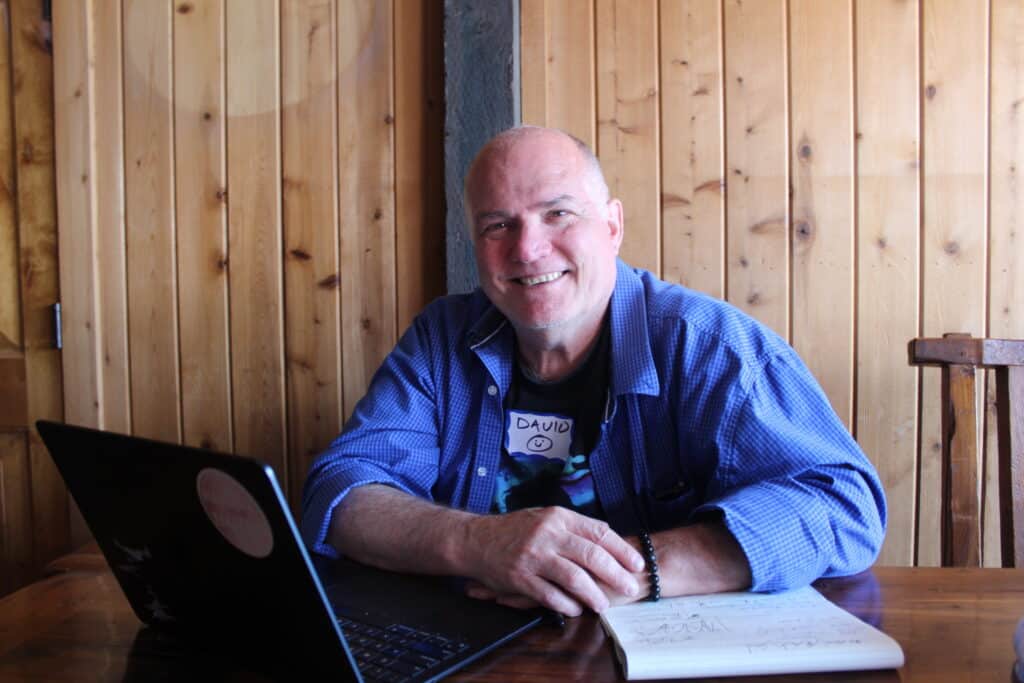
On September 7, 2026 the green movement lost one of our finest champions. David Cobb was an activist, organizer, leader, mentor, friend, loving husband, and as he described himself, “I’m a straight-up revolutionary, y’all.” David identified as a revolutionary because he knew that our current society is fundamentally racist, sexist, classist, imperialist, and leading to […]
ISE Speeches at the Tribute to Murray Bookchin 20 Years Later
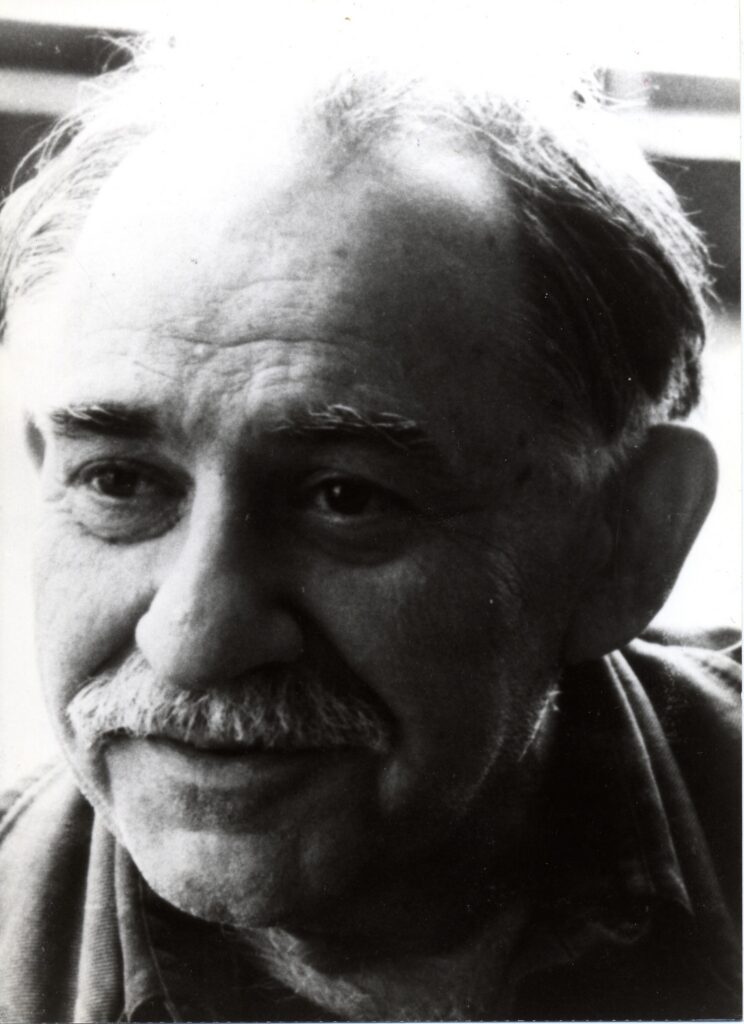
Organized by the Netzwerk für Kommunalismus 30 July, 2026 Remarks delivered by Eleanor Finley, Ph.D. Twenty years ago today, the world said goodbye to one of its most important visionary thinkers, Murray Bookchin. I was asked here today to share about Murray’s contributions to today’s social movements and how his work resonates with young people. […]
Remembering our friend and comrade Carlos “Chino” Garcia
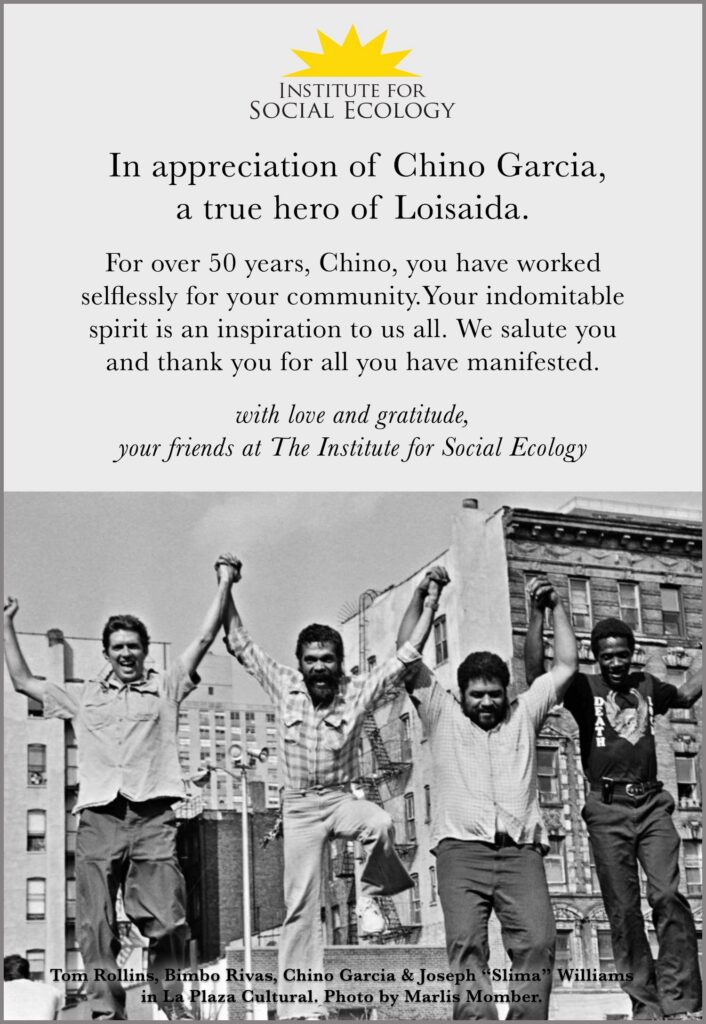
¡Chino García, Presente!By Dan Chodorkoff A hero has passed. Carlos “Chino” García died Friday, July 24th. Chino was a teacher, a leader, and aninspiration to generations of activists on New York’s Lower East Side. He and Bimbo Rivas coined thename Loisaida for their neighborhood. He was a force to be reckoned with. At age 16 […]
In Memoriam: Claudia Bagiackas
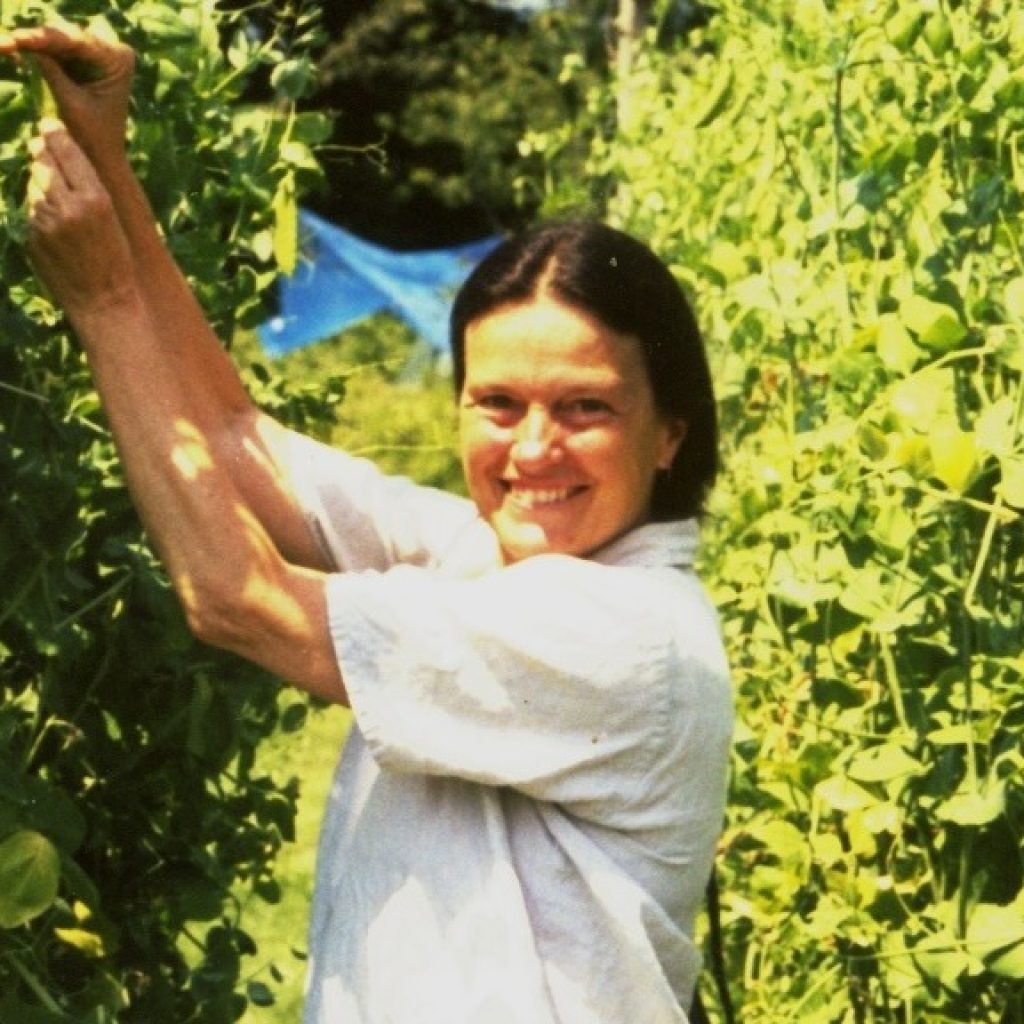
Claudia Bagiackas joined the ISE community in 1993 as an ISE Masters student studying radical educational pedagogy from a social ecology perspective. In 1995, she became program coordinator. Before joining the ISE, Claudia spent decades teaching and directing Montessori education in Ohio, where her family lived. She believed deeply in primary education as a foundation […]
Social Ecology and Land Stewardship Fellowship Program
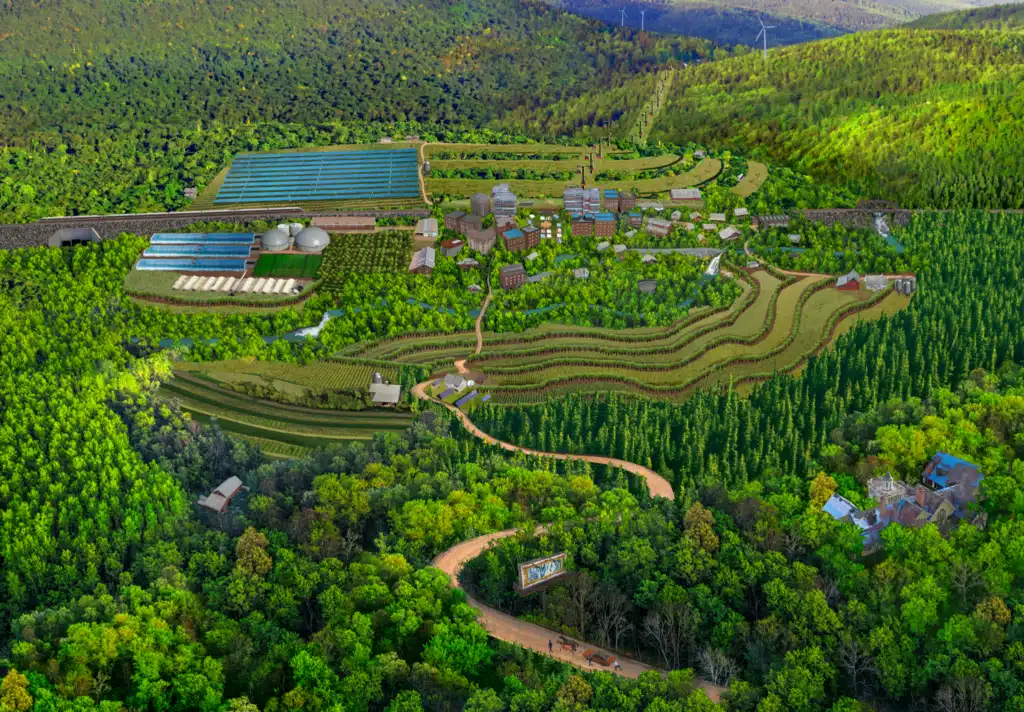
[Note: this in-person program is only open to Central Vermont residents age 16 – 24] Social ecology is a unique way of understanding the relationship between our human communities and the natural world. It seeks to create a new sense of harmony between humanity and the rest of nature through its transformational politics and ecological […]
An Important New Book on the Praxis of Social Ecology
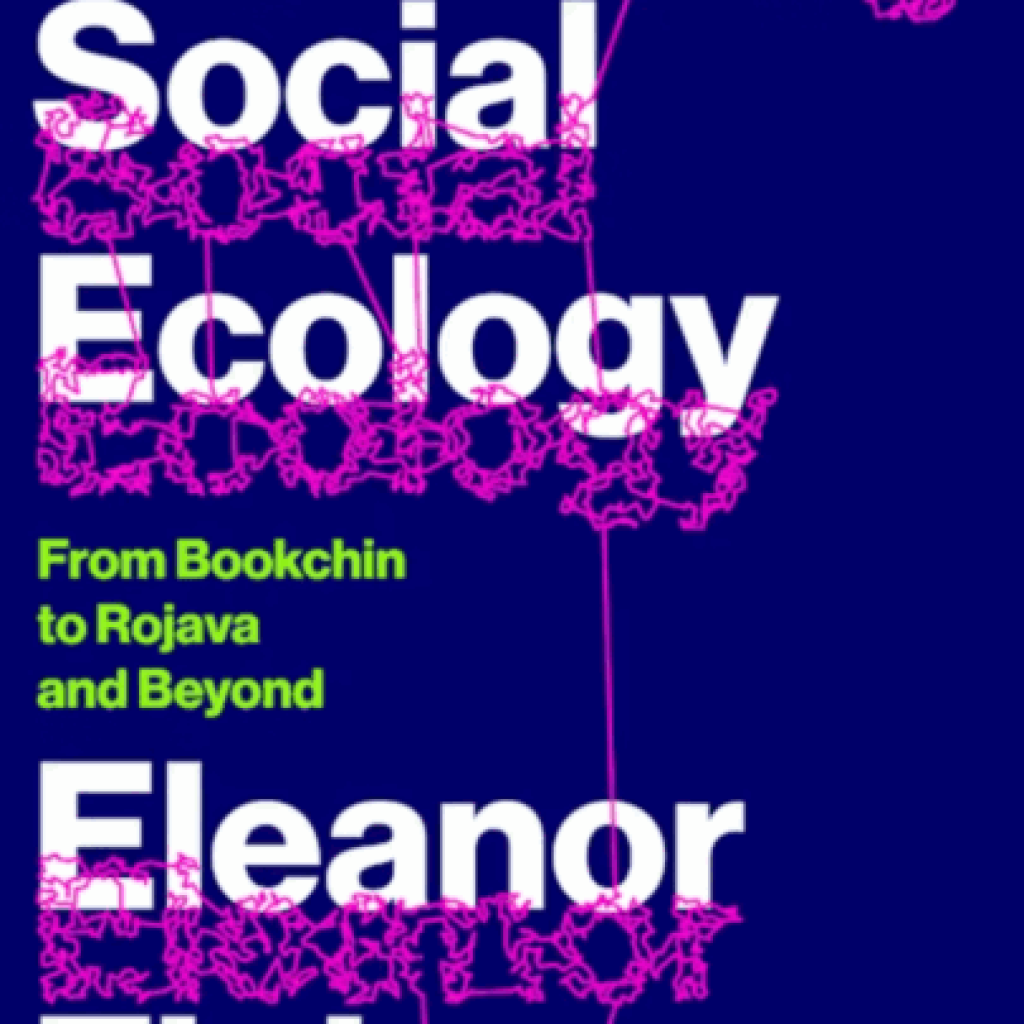
A review of Eleanor Finley’s new book, Practicing Social Ecology: From Bookchin to Rojava and Beyond
Interview with German translator of The Ecology of Freedom
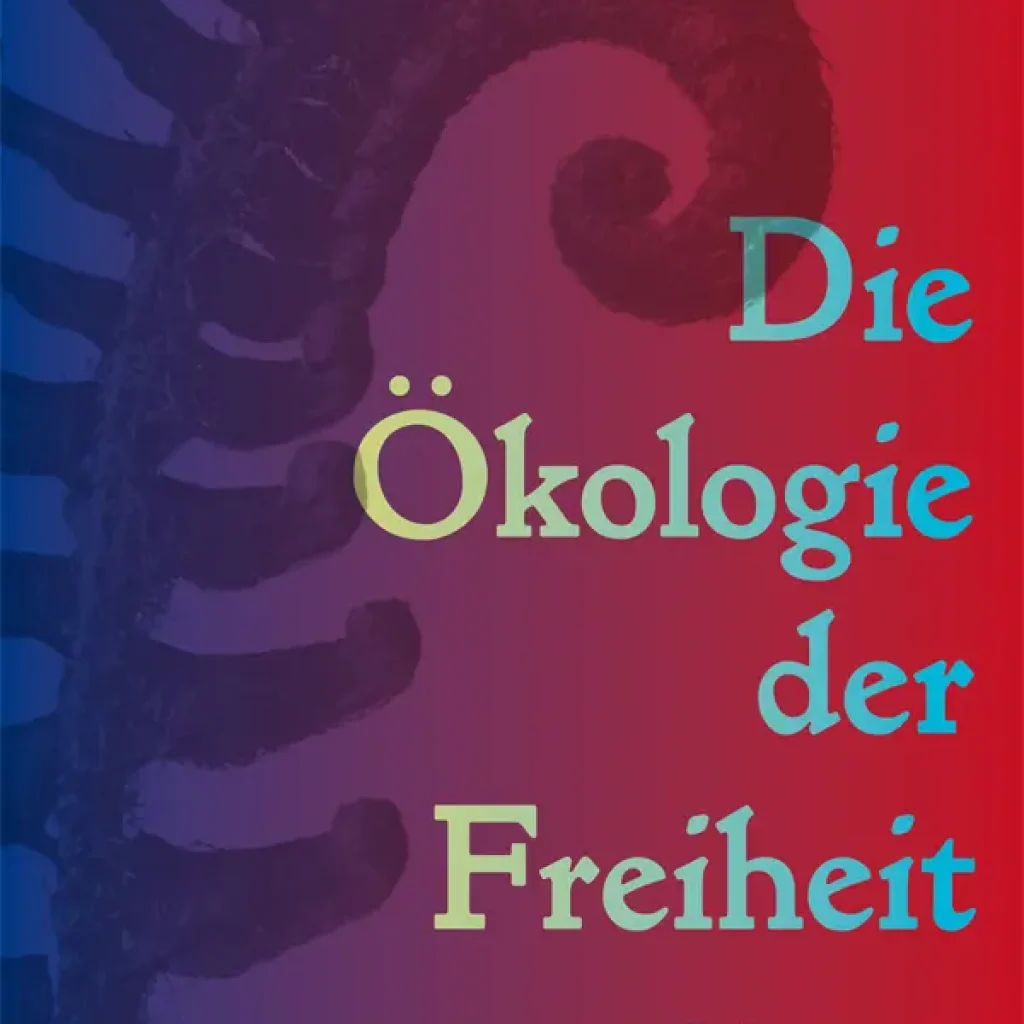
Interview with Dr. Maurice Schumann, who has recently published the first complete German translation of Murray Bookchin’s The Ecology of Freedom.
ISE 2025 Summer Fundraiser
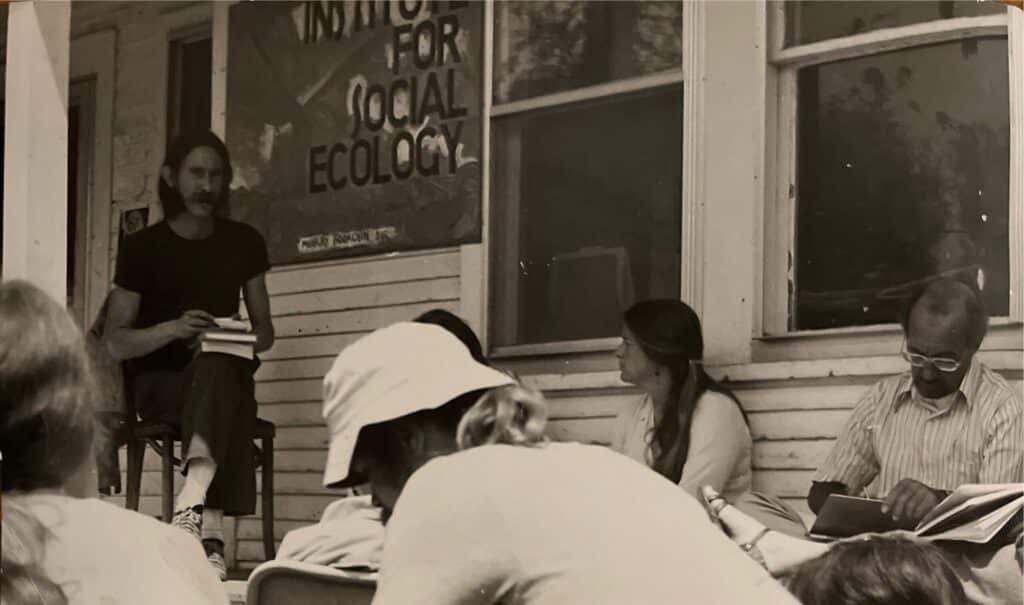
The Institute for Social Ecology is launching a critical fundraiser this summer to maintain and expand our programs around political education and social movement support – Help the ISE build grassroots power! “What compels me to fight this society is, of course, outrage over injustice, a love of freedom, and a feeling of responsibility for […]
Interview on ecofascism & far-right environmentalism

An Arizona case blaming immigration for climate change echoes far-right environmentalism and ecofascism Blair Taylor of the ISE, interviewed by Jariel Arvin of vox.com Published June 3, 2021 As the impacts of human-induced climate change become harder and harder to ignore, some on the right have moved away from denying it exists and toward a […]
Now available for download: Brian Tokar’s “Earth for Sale”
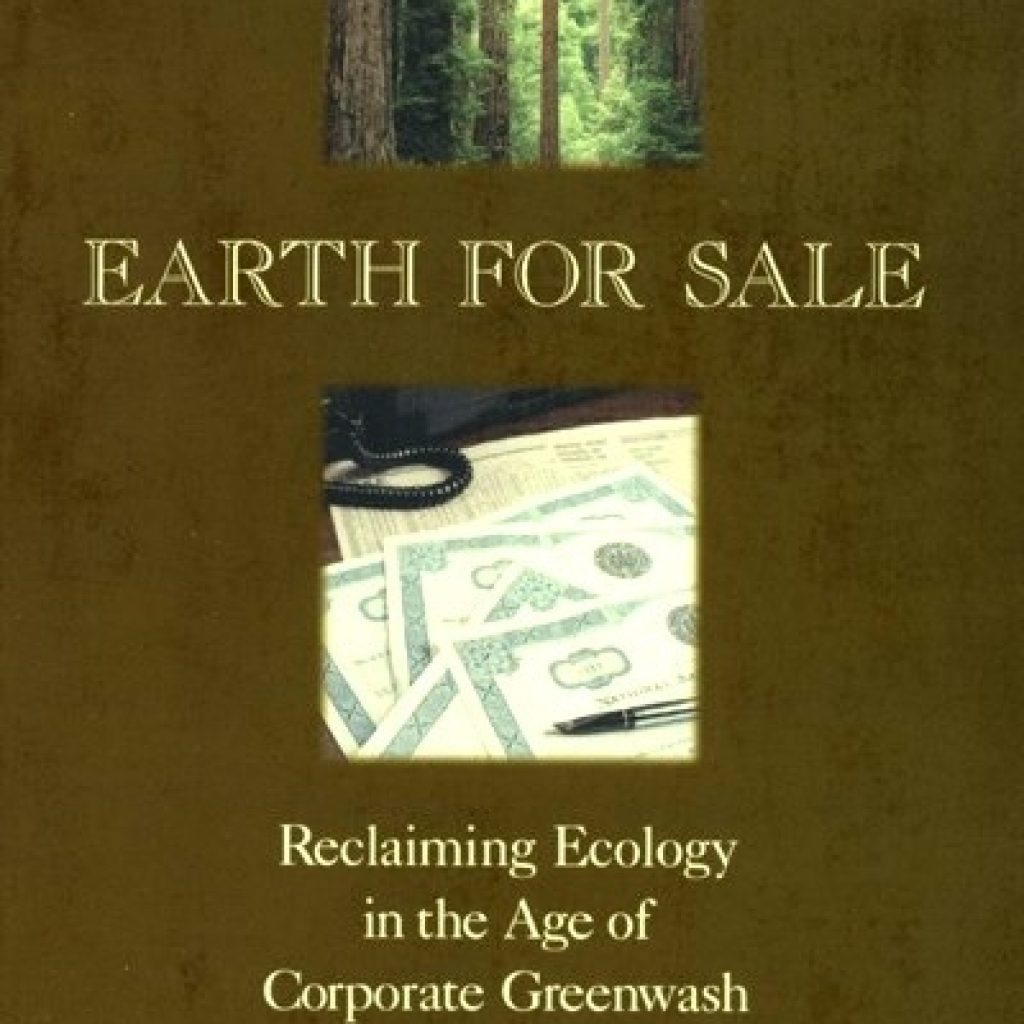
Brian Tokar’s widely-acclaimed book, Earth for Sale, largely disappeared from circulation soon after its publisher, South End Press, went out of business in 2014. The entire book is available here for download for the first time.